
When the fine print does matter – aircraft programmes
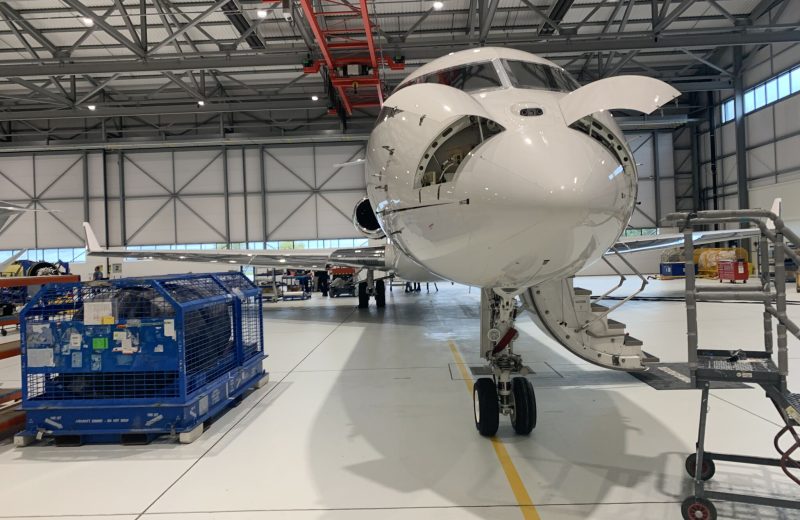
Most owners who have had a bad experience, a denied claim, a surprise bill, or a transfer that didn’t go smoothly understand the value of expert advice the second time around, said Houseman.
Aircraft programmes cost millions of dollars every year but owners and operators don’t always get their monies worth, words by by Iain Houseman, president of ZenithJet.
Aircraft programmes are multi-million dollar agreements that have significant impacts on the future of your purchase yet some business jet owners routinely sign engine and airframe programme agreements worth millions after a 45-minute sales presentation from the very company selling the programme.
The person across the table does this every day, the buyer may never have done this. The question is: do buyers need someone in their corner from the start to maximise their investment?
Programmes like Rolls-Royce CorporateCare, GE OnPoint, JSSI, or OEM parts programmes represent some of the largest financial commitments a business jet owner will make yet they routinely receive a fraction of the scrutiny of the aircraft purchase itself does. The thinking being that “it is what it is” but yet the cost of these programmes have become a huge part of hourly direct operating cost.
What these programmes actually are — and what they’re selling you
• Engine and airframe programmes are essentially pre-paid maintenance contracts, but they’re priced and structured to be profitable for the OEM or lessor, not optimised for the owner.
• Programmes bundle coverage, parts access and sometimes AOG support into a single hourly rate that, under some programmes, you pay whether you fly or not.
• They are sold as peace of mind and they do provide genuine value but the terms vary enormously depending on when you sign, which aircraft you’re buying, the age of the aircraft and how much you know going in.
• The sales pitch emphasises what’s covered. The fine print defines what isn’t, and that’s where owners get surprised.
What owners almost never read (but should)
Exclusions and carve-outs: Every programme has a list of what’s not covered. Foreign object damage (FOD), “owner-induced” damage, corrosion and certain component categories are commonly excluded. These exclusions can represent significant unbudgeted costs that only come to light when making a claim.
Escalation clauses: Rates typically escalate annually, often tied to a formula the owner may not have scrutinised. Over a 10-year contract, a 3% annual escalation is a very different number from a 5% one and it’s important to understand what this means for the aircraft operating costs.

Help in understanding the risks and the potential costs of each level and how it might impact future claims is essential, says Houseman.
Transferability: If you sell the aircraft, does the programme transfer to the new owner at the same rate? Is that an asset or a liability at resale? Programmes with favourable locked-in rates can add to resale value — but only if the transfer terms are clean.
Cancellation terms: What happens if you want out early? Some programmes have penalties that effectively make this an option you don’t have. Others have buyout provisions that are negotiable at signing but impossible to change later.
Coverage geography: Certain programmes have restrictions on where AOG support is provided or where maintenance must be performed. For an owner who flies internationally, this matters enormously.
Scope of “on-condition” vs scheduled maintenance
Some programmes cover scheduled events only; others cover on-condition findings during those events. The difference can be hundreds of thousands of dollars per shop visit.
What you can actually negotiate (that most owners don’t know is negotiable)
This is the heart of getting value and removing surprises.
• Buy in fees. If an aircraft was not enrolled in the programme from the start there may be the option to “buy in”, meaning covering the hours that have already been flown. The buy in fee can be huge depending on the number of hours flown, but there is room for discussion based on the experience you have of these discussion’s.
• Enrolment timing. Enrolling at delivery of a new aircraft versus enrolling a few years later often means very different rates. The OEM wants you enrolled early; that doesn’t always mean early is better for you.
• Rate caps. Escalation ceilings are negotiable on some programmes, especially if you’re enrolling multiple aircraft or are a high-volume operator.
• First shop visit coverage. Who pays for findings at the first major inspection? This is often negotiable and can represent significant money.
• Programme entry fees and credit for prior maintenance. If an aircraft has a recent shop visit on record, you may be entitled to a credit or reduced entry fee. Without advice, many owners leave this on the table.
• AOG response commitments. Response time guarantees and the definition of what constitutes AOG support can sometimes be strengthened in the contract language.
• Exit provisions. Agreeable early termination language is much easier to negotiate before you sign than after.
The ongoing management problem. Signing is just the beginning
• If you want the programme terms and conditions to work for you, it needs to be front and centre of your operation. Putting it in a drawer and pulling it out when its needed is how it works against you.
• Claims need to be filed correctly and promptly. Missed claim windows, incorrect documentation, or failure to notify within required timeframes can void coverage for a specific event.
• Technical findings during shop visits need to be reviewed against what the programme covers before the facility starts work. Getting a verbal approval from the programme provider is not the same as getting it in writing.
• Dispute resolution is common. OEMs will sometimes categorise a finding as owner-induced or outside scope. Having an independent technical expert who understands both the programme language and the aircraft system in question is the difference between getting a cost covered and paying it yourself.
• Annual rate reviews and utilisation reconciliations where actual flying hours are “trued up” against what you’ve paid need to be checked. Errors exist and they favour the programme provider.
The hidden cost of not having independent representation
• The programme provider’s technical representative is not your advocate. They are employed by the programme provider’s company to maximise the terms of the programme contract and minimise the risks to the provider.
• MRO facilities performing the work under the programme can be incentivised to bill the programme, not to minimise cost. Without someone watching the scope of work on your behalf, invoices and downtime can expand.
• A single disputed shop visit, handled correctly with an independent technical advisor, can save more than the cost of an entire year of oversight fees.
What do technical advisors bring?
They work to level the playing field on behalf of owners and operators by working to ensure you get what you paid for
• Buy in fees – having negotiated these fees on multiple occasions saving millions of dollars of upfront costs for clients, they have the experience to get the best results and avoid the longer term contractual pitfalls.
• Getting better terms of the minimum number of hours per year. Successfully lower the minimum number of hours means clients are not paying for hundreds of hours they never actually fly which saves clients millions of dollars
• Ensuring clients have the right level of coverage for the aircraft, the client operating profile and the region they are flying in – some programmes have different levels of coverage and many owners assume they have full coverage. Help in understanding the risks and the potential costs of each level and how it might impact future claims is essential.
• Ensuring maximum programme coverage is what your technical advisor will do – there are many parts to a claim including engineering costs, parts, labour, travel expenses, AOG coverage, life limited components, warranty coverage versus program coverage, LRUs, shipping fees, hazardous material fees and more. An experienced advisor will have the experience of finding tens of thousands of dollars of coverage after reviewing invoices as the numbers mount up quickly.
Most owners who have had a bad experience, a denied claim, a surprise bill, or a transfer that didn’t go smoothly understand the value of expert advice the second time around.
A handful recognise that having the subject matter expert advice before they sign, helps create the opportunity for conversations that protect their programmes’ long-term value and effectiveness.
Subscribe to our free newsletter
For more opinions from Corporate Jet Investor, subscribe to our One Minute Week newsletter.