
Fuel fears dry up in summer heat
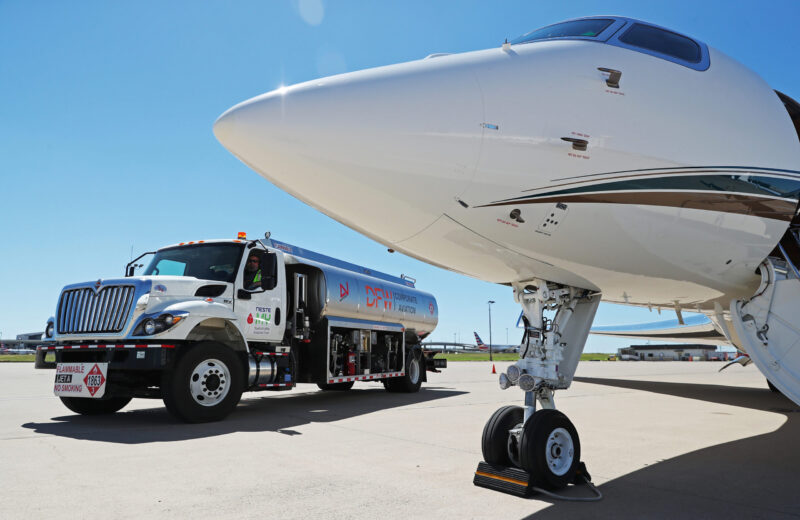
The Middle East was the largest supplier of jet fuel to Europe. But the fuel market reacted by boosting production.
The ridiculously overpriced short-stay car parks are empty. Tumbleweed blows through the duty-free aisles. Aircraft are rusting away on the runway having run out of fuel. Pilots desperately thumb for lifts while holding fuel cans.
This is a summary of the International Energy Agency’s (IEA) prediction for European jet fuel this summer back in April when the Strait of Hormuz was first disrupted. The IEA president warned that Europe had just six weeks of fuel left. But, as anyone who has the joy of travelling through a packed European airport in the past few weeks can tell you, it did not happen.
“The jet fuel market remains under stress. However, refiners globally have been maximising jet fuel yields and Middle East logistics seem to be working better than some indicate. Geopolitical uncertainty will continue to create price volatility and reshape global trade flows, but we’re not seeing any evidence of a broad physical shortage of jet fuel,” says Muneeb Ahmed, director of trading and logistics at Avfuel.
The Middle East was the largest supplier of jet fuel to Europe. But the fuel market reacted by boosting production.
The IEA says that US and European refiners have produced record amounts of jet fuel. The US was a net importer of jet fuel in April 2025. It is now a net exporter. Nigeria also ramped up production at its Dangote refinery, which had been closed for maintenance.
Kpler, the global trade data company, says that Dangote alone has been sending 40,000 barrels a day of jet fuel to Europe. Saudi Arabia managed to send more crude oil through its East-West pipeline to the Red Sea. Airlines also cut less profitable routes reducing demand for oil.
“Global arbitrage economics continue to be very volatile, though this is exactly what we should expect. Higher prices help moderate demand, attract additional supply and incentivise refiners to maximise jet fuel production where possible,” says Avfuel’s Ahmed. “Distributors should redirect product to the regions where it’s needed most. Those market forces will help prevent localised disruptions from becoming widespread shortages.”
Even the EU Energy Union Task Force, made up of European Commission members and EU countries, which had been warning of a crisis, is now sounding more confident: “The supply of jet fuel remains overall stable so far. The supply of jet fuel in the EU has proven to be resilient in the face of geopolitical pressure, with increased EU refinery production and supplies secured from other regions around the world. The situation nonetheless remains volatile.”
As Ahmed adds: “It’s important to distinguish between price volatility and product availability. Those are not the same thing and, in many cases, higher prices are the mechanism that helps the market avoid a physical shortage.”
So thanks to the oil market reacting, we now all get to stand for hours in security and immigration queues, wait for luggage at squeaking baggage carousels and everything else that goes into a great holiday.
Subscribe to our free newsletter
For more opinions from Corporate Jet Investor, subscribe to our One Minute Week newsletter.