
How operational excellence earns client loyalty in private aviation
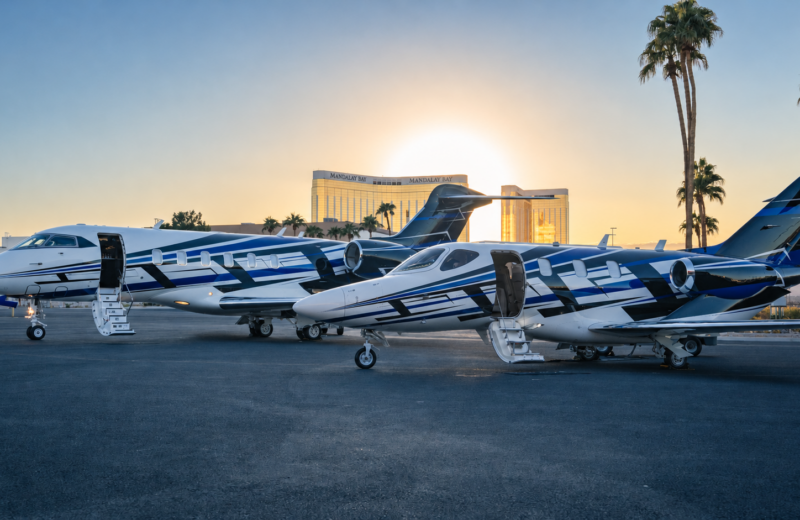
A client booking a private flight trusts us with something that matters: time with family, an important meeting, or a trip they have spent months planning. A beautiful airplane is part of the experience. The deeper expectation is that the people behind it understand what is at stake and can be trusted to handle the details. Words by Curtis Edenfield, CEO and co-founder of Thrive Aviation.
That is where client loyalty begins. It grows when an operator follows through consistently, communicates clearly and takes responsibility when plans change. Luxury can attract a client. The operation behind it gives that client a reason to return.

Curtis Edenfield, CEO and Co-Founder of Thrive Aviation
We have spent eight years building Thrive Aviation from a small charter operation into a company with more than 240 employees and 30 aircraft on our Part 135 certificate. As we prepare for a new fractional program in partnership with Arulean Air, a subsidiary of Honda Aircraft Company, the question is how to keep the experience personal and dependable as the business grows. From the beginning, we have wanted to look back and be proud of what we built and who we built it with. That ambition has to show up in how we operate every day.
The details reveal the standard
A few years ago, a potential client toured our hangar in Las Vegas to decide whether we were the right operator to manage his airplane. He had owned several aircraft over the years and knew what to look for. I had a presentation ready, complete with slides and financials. He never saw it.
Instead, he noticed a checklist on the hangar wall that our ground operations team completes each time an aircraft arrives and departs. It covered cleaning, restocking, fuel receipts, charging the iPads and many other tasks. Each item was time-stamped and initialed by the team member who completed it.
We had not built that checklist for a sales presentation. We built it because those were the standards we would want applied to our own airplane. What caught his attention was the discipline behind the work. A charged iPad is a small detail, but an accountable process for checking it told him something about the people caring for his aircraft. He ultimately became a management client.
That experience stayed with me. An owner is entrusting us with an asset that often represents years of work and a meaningful personal achievement. A passenger is entrusting us with their time and their family. Both deserve a team that takes pride in the responsibility. Most clients will never see our checklists. They should still benefit from the care those checklists provide.
Trust is tested when plans change
Safety is the foundation of every operating decision. Weather and maintenance can change a trip, and protecting the client sometimes means delivering news they do not want to hear. A dependable operator needs to explain the situation honestly, offer realistic options and keep the client informed as those options develop.
Clients should know who is responsible for helping them and when they will hear from that person again. They should not have to chase an update or repeat the same request to several departments. Even when the answer is still developing, clear communication gives them something they can plan around.
The commitment should be to respond with judgment and accountability. Promising that nothing will ever go wrong creates an expectation no operator can responsibly meet. Taking ownership of the response creates confidence that the client has chosen the right team.
Consistency has to be built into the business
When a company is small, founders can stay close to almost every decision. As it grows, that approach becomes harder to sustain. More aircraft mean more handoffs, and more clients mean more preferences and requests to remember. Service cannot depend on one person keeping everything in their head.
Leaders need to ask practical questions. Does the next team have the information it needs? Is responsibility clear when a request crosses departments? Are we solving a recurring issue or repeatedly asking someone to rescue the same situation? A successful recovery matters, but understanding why the recovery was needed is how the operation improves.
Technology can help make information available and reduce repetitive work. Its value should be measured by whether it helps people make better decisions and spend more time serving clients. If a preference is recorded but never reaches the crew, the system has not done its job. Personal service requires information to reach the person who can act on it.
People remain essential. The right leader recognizes where a process needs to improve, develops the team and uses technology with a clear purpose. Employees also need the training, resources and authority to do what we ask of them. Telling someone to deliver exceptional service means little if the organization makes it difficult to follow through.
Prepare the organization for the next stage
Growth requires investing in the organization you are becoming. That includes operational control, compliance, training and maintenance support before additional flying stretches those teams beyond their capacity. Adding an aircraft creates obligations across the business, not just another sales opportunity.
Building ahead takes financial discipline. Leaders have to decide which capabilities need time to develop and which investments can wait. A new team or system may look expensive before demand arrives, but waiting until the operation is under pressure can make the same investment harder to implement well.
As we prepare for fractional ownership, that principle becomes especially important. An ownership relationship creates expectations that extend across years and many trips. The operating platform must be ready to support that relationship. Selling access is the beginning of the commitment; earning the owner’s confidence is ongoing work.
Growth should strengthen the client relationship
I believe the next chapter of private aviation will reward operators that can grow while preserving the care that earned their clients’ trust. Fleet size is one measure of progress. Whether a client receives the same attention on their twentieth trip as on their first is another, and it deserves just as much attention from leadership.
At Thrive, we want to build something special with people who are proud to be part of it. For me, that means a client can step onto one of our airplanes knowing the team understands why the trip matters and has taken responsibility for the details. Every aircraft we add brings another opportunity to earn that trust. Our job is to make sure the organization behind it is ready.