
Floating Fleet AI expands scheduling tech to commercial aviation
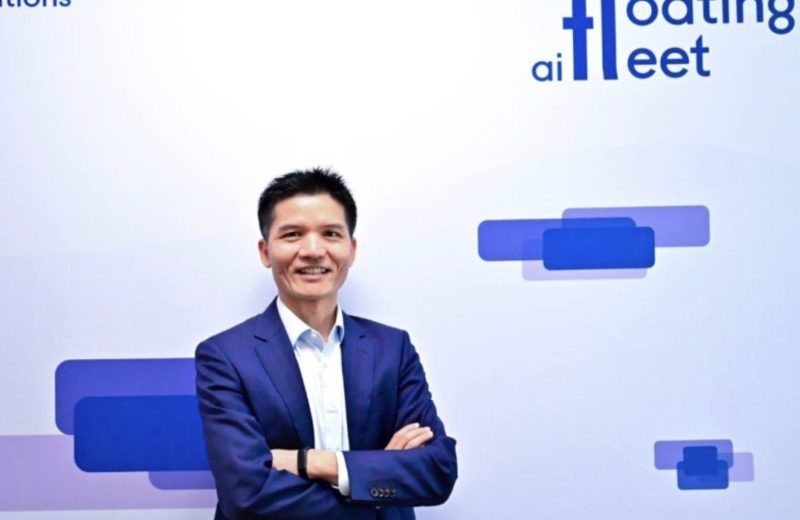
The company is expanding beyond private aviation to support a broader range of aviation organisations, including commercial airlines, regional carriers and corporate flight departments.
Floating Fleet AI is debuting its scheduling and planning technology at Aviation Festival Americas 2026 as it looks to grow its commercial aviation customer base.
The event, taking place June 3rd-4th, in Miami brings together airline, airport and aviation technology companies from across the Americas.
Originally built for business aviation operators, Floating Fleet AI will display its AI-driven scheduling technology which includes solutions for aircraft scheduling, crew assignment and crew rostering. The company is expanding beyond private aviation to support a broader range of aviation organisations, including commercial airlines, regional carriers and corporate flight departments.
Dr Roger Zhan, founder and CEO of Floating Fleet AI tells us: “Our revenue has more than tripled year-over-year since we launched in October 2024. We continue to gain traction in the business aviation space and have formally launched a crew rostering product that serves not only Part 135 operators, but also corporate flight departments and commercial aviation.”
He added that Floating Fleet constantly iterates its product to better serve existing customers. “Our priority is to create win-win collaboration between us and our customer base,” he said.
Floating Fleet AI’s platform is designed to support operations teams by continuously evaluating aircraft availability, crew constraints, customer demand, maintenance requirements and operational disruptions.
“It was always our intent to go beyond business aviation. In our mission statement, we say that we provide transparent and trustworthy AI scheduling solutions for private aviation and beyond. The ‘beyond’ refers to commercial aviation,” said Zhan.
Floating Fleet’s optimisation engine can analyse complex scheduling scenarios in seconds, enabling operators to reduce manual planning work, improve asset utilisation and lower operational costs.
“We have a general framework that can serve various types of customers,” said Zhan. “In some cases, we adjust the data exchange layer to meet unique operational needs. Because our solutions touch the heart of our clients’ operations, we are grateful for the trust our customers place in us.”
The company said it will also highlight its newly developed crew rostering capabilities at the show.