
NTSB urges FAA to tighten wet runway standards
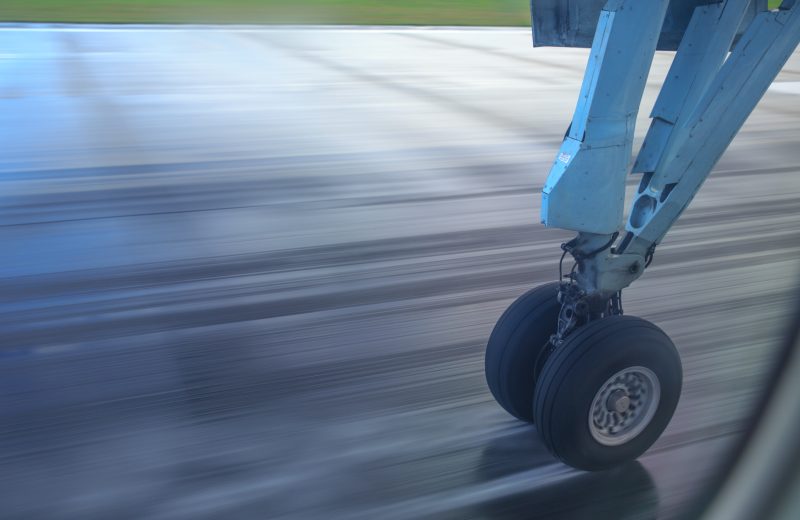
The NTSB also noted that any update to the RCAM should account for the difference in braking performance between smooth and grooved runways.
The National Transportation Safety Board (NTSB) has issued three safety recommendations to the Federal Aviation Administration (FAA) calling for updates to how wet runway braking performance is calculated and communicated to flight crews, following a review of 11 runway overrun accidents and incidents between 2008 and 2022.
The NTSB found that actual braking friction on wet runways can be significantly lower than current regulations assume, meaning pilots may be calculating landing distances that are shorter than what is required.
The board said the risk increases with rainfall intensity, but that existing weather reporting descriptors do not capture the full range of heavy rain conditions possible at airports, limiting crews’ ability to accurately assess runway conditions before landing.
The three recommendations ask the FAA to update its runway condition assessment matrix (RCAM) to reflect progressively lower braking performance at higher rainfall intensities, add new rainfall intensity descriptors to aviation weather reports beyond the current threshold of 0.3 inches per hour, and incorporate those updated descriptors into the RCAM once introduced.
“The wheel braking friction coefficient corresponding to a wet runway can be substantially less than that specified by the runway condition assessment matrix,” the NTSB said, adding that current calculations “can underestimate the actual landing distances required and increase the risk of a runway overrun.”
The NTSB also noted that any update to the RCAM should account for the difference in braking performance between smooth and grooved runways.